
Sitting Beside His Students
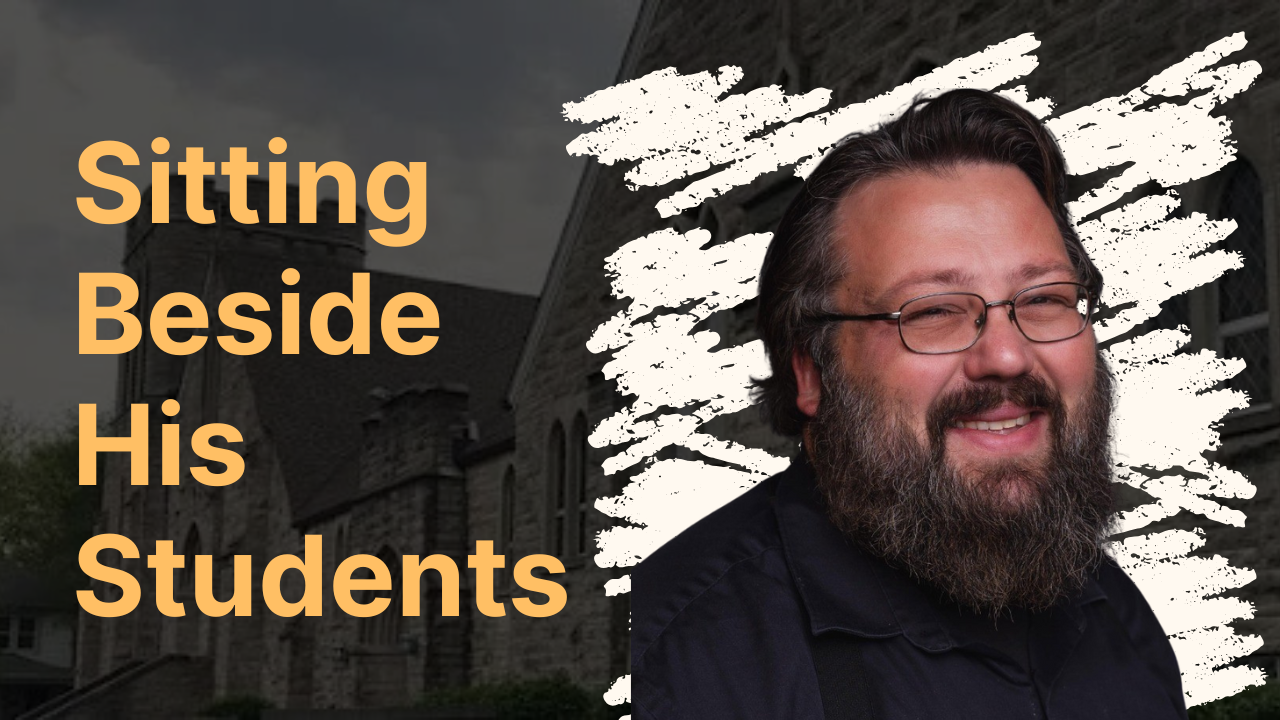
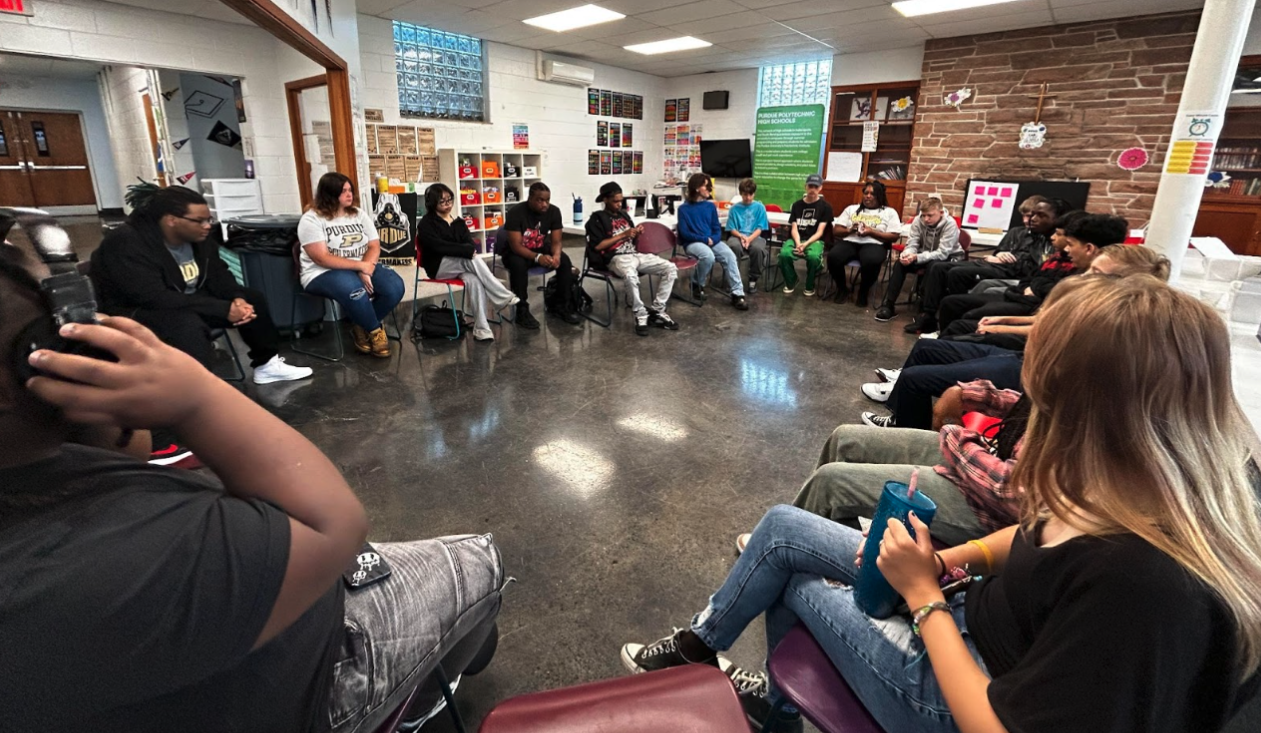
Every Thursday morning at Purdue Polytechnic High School Lab, a micro school tucked in Indianapolis, Coach Margaret Broderick arrives to work with students on their business ventures. The scene that unfolds might surprise visitors expecting a traditional classroom: Jeff Edge, the school's advisor, sits right alongside his students, laptop open, working on his own project: a co-op sandwich shop concept. "I want them to see that I'm in this with them," Edge explains. "I'm experimenting, making mistakes, and learning right alongside them."
This is what "walking the walk" looks like in Edge's classroom.
Building a School Like a Startup
Jeff and two other staff members have spent the past three years building this micro school from the ground up, an experience that mirrors the entrepreneurial journey he now guides his students through. "We relied heavily on networking and building connections within the community," he says. "It takes a lot of empathy, a willingness to seek out helpers, and the confidence to ask questions."
That same networking obsession has become the school's superpower. Now this 24-student micro school has access to the kind of mentor network most startup founders would envy.
An Ecosystem of Mentors
What's changed most dramatically this year, according to students, has been the array of connections.
"We have more resources. We have Coach Margaret every week," says Annie T. and Nat N.T. puts it even more directly: "I have more guidance. I'm not relying on a course or reading. I have several mentors that are guiding me."
The mentor roster reads like a ‘who's who’ of Indianapolis professionals: Margaret Broderick, an entrepreneur with extensive business experience; David Greene, who teaches financial literacy; Don Wettrick from the STARTedUP Foundation; Sampson Levingston, A local historian, took students on a walking tour to teach them the history of their neighborhood; and countless other partners who rotate through quarterly.
The Podcast Approach
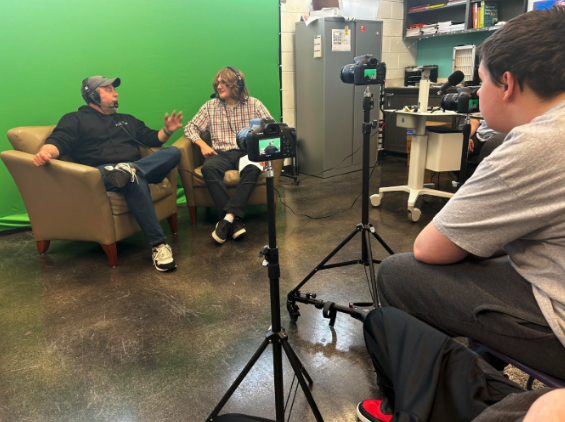
One of Edge's most innovative strategies is the student-run podcast.
"It can be extremely challenging to connect our students with outstanding professionals for internships," Jeff explains. He points to Dr. Erin Conboy, who joined the podcast last year— the director of the Undiagnosed Rare Disease Clinic at the IU School of Medicine, and world champion in Brazilian Jiu-Jitsu. "There's no realistic way she could host an internship for one of my students. But Nat, who is passionate about healthcare and hopes to become a nurse, was able to interview her."
The format creates a manageable commitment for busy professionals, just an hour of conversation, while giving students meaningful exposure to careers they might not otherwise see.
Leaving the Classroom
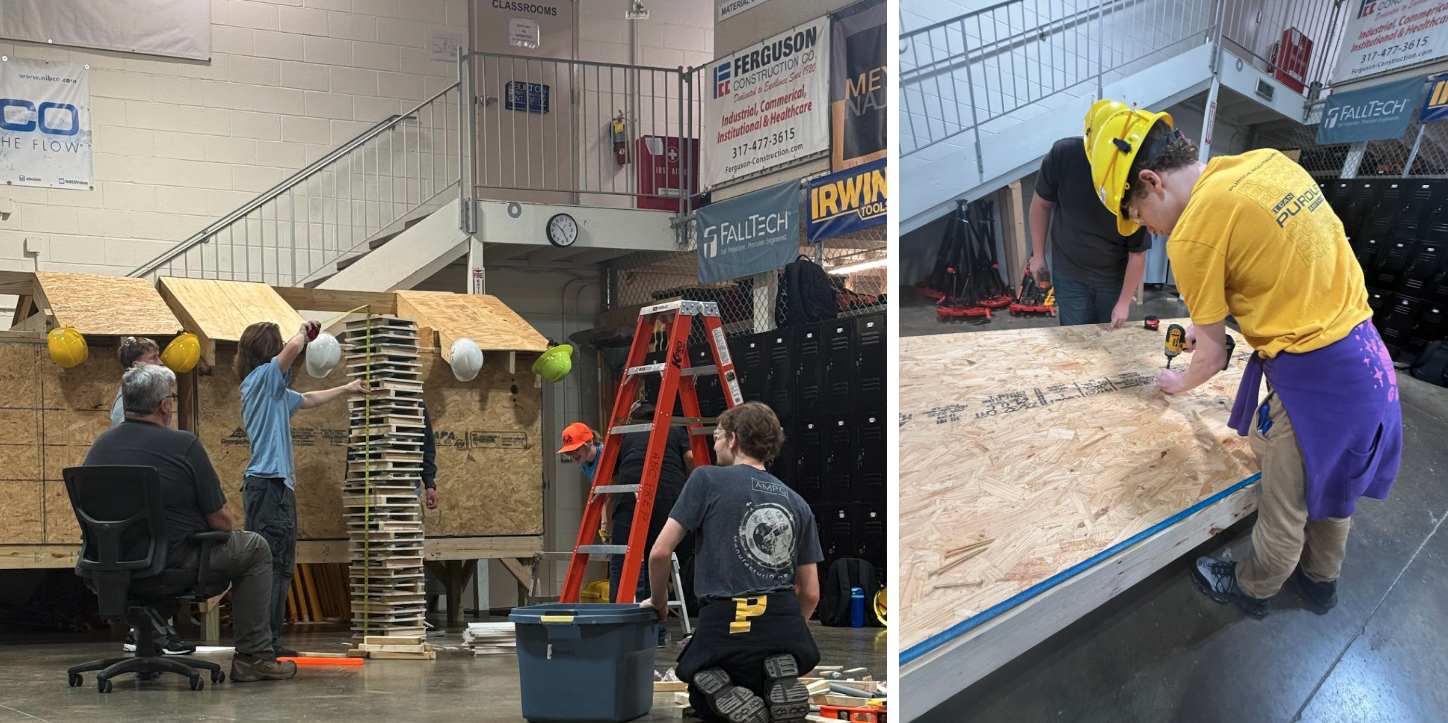
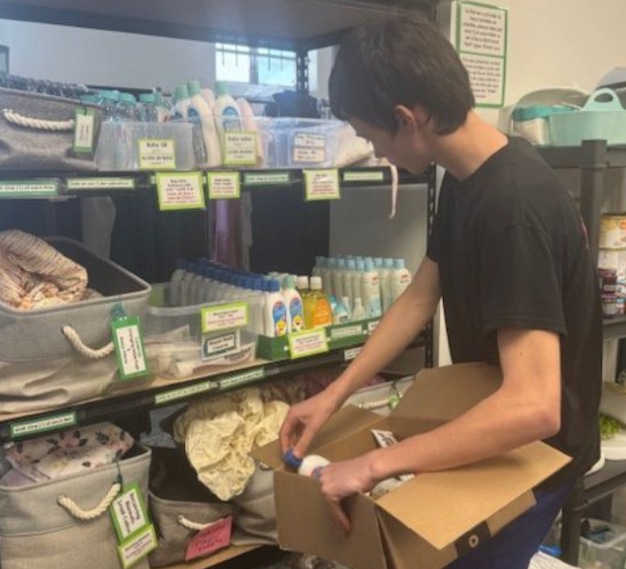
Beyond the classroom walls, Edge's students are gaining hands-on experience through internships and community partnerships. One student, Luke, has interned at Horner Automation three years in a row and has been nominated for Intern of the Year at the Indiana Work-Based Learning Conference. Another student, Jordan N.T., works with the Little Timmy Project, stocking donations for their free Birthing Essentials Pantry that serves under-resourced families.
Meanwhile, 11th grader Gabe F. starts his mornings at ABC Kentucky Indiana, learning four trades: HVAC, plumbing, electrical, and carpentry. "If you understand those, you save thousands of dollars fixing up your house," he says. "I recently fixed my house's toilet by taking out one little pebble in the water line."
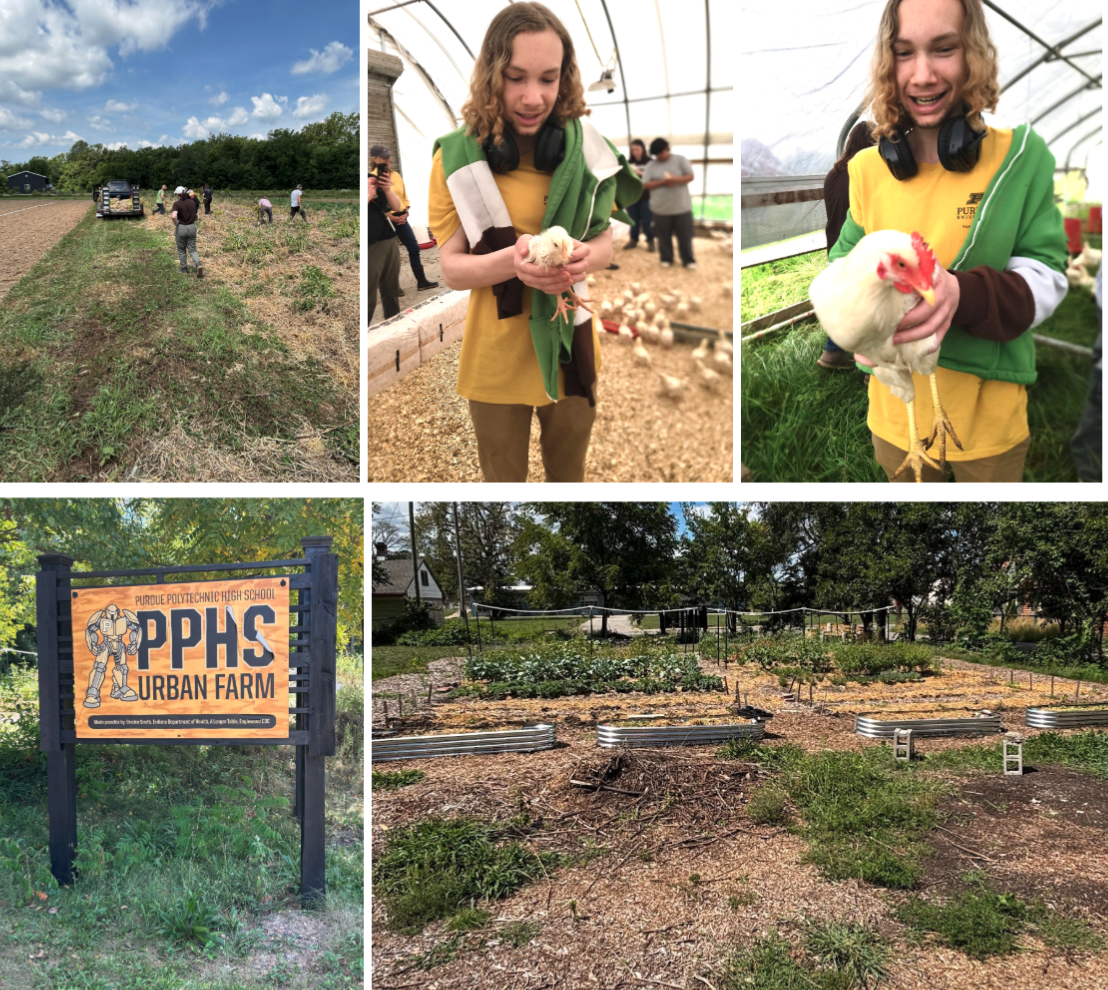
He also participated in a food fellowship with mentor Autumn Mott, learning about urban farming. "It honestly made me respect insects a lot more; they are a driving factor for plants," Gabe reflects. "Examining an ecosystem is a lot like examining a need in our community and designing a business that solves it."
The Turning Point
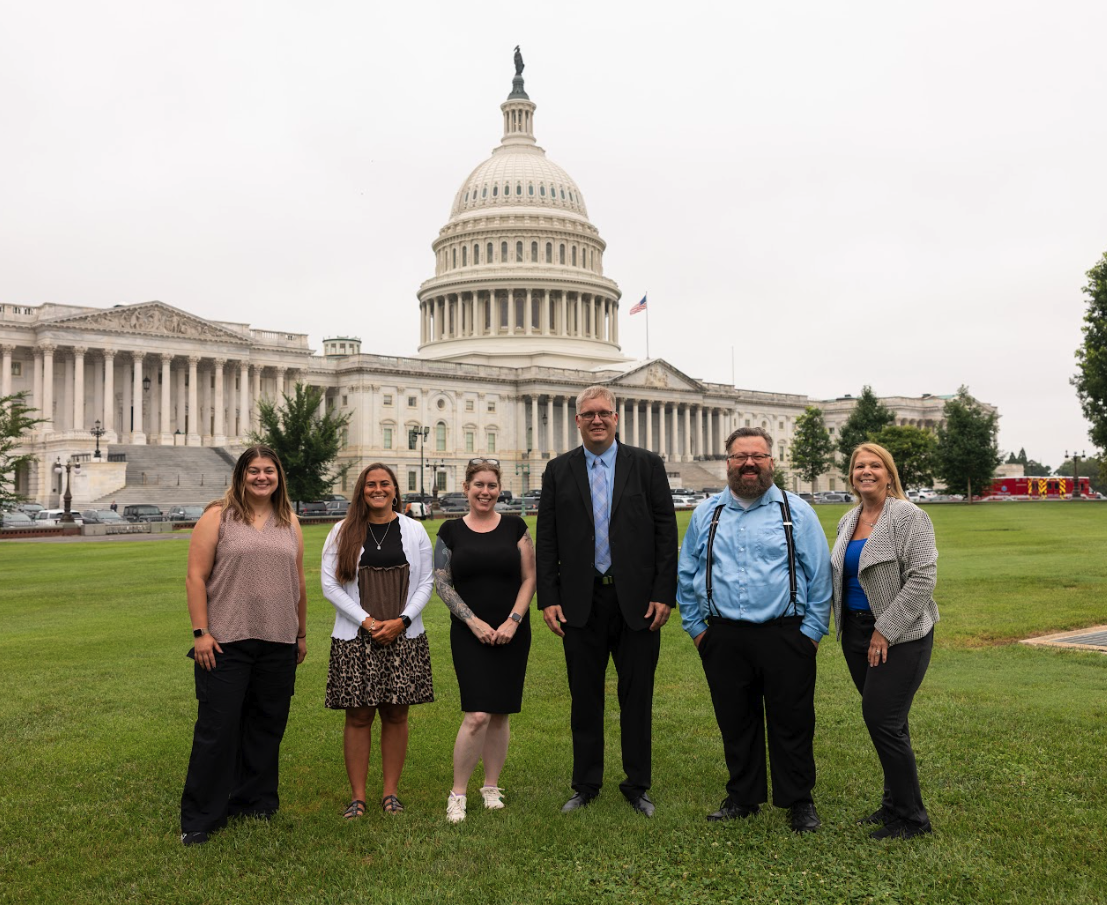
Jeff's commitment to entrepreneurship education deepened after traveling to Washington, D.C., with the STARTedUP team and their state finalists. "Watching the students pitch to our state's congressional representatives, the U.S. Chamber of Commerce, and influential businesses was incredibly inspiring. It gave me a clear picture of what the end result of these business pitches should look like."
He brought that vision home, incorporating the STARTedUP Challenge into the school's whole-group advisory. "I wanted every student to feel empowered and to understand that self-employment is a real, accessible option for them."
The impact is visible in student confidence. "I see myself procrastinating less. I'm a big procrastinator," Nat admits. "I'm passionate about this and always thinking about it. I have gotten so much more done this year."
Gabe F. sees the cultural shift too: "More people have been introduced to entrepreneurship in general. This whole school is focused on developing critical thinking." The entrepreneurship work is already yielding results. Already, Edge has received pitches for a new type of solar cell, a mental health app, and a fashion consulting business.
Walking the Walk
Edge's approach is akin to what the STARTedUP Foundation hopes to see more teachers embrace. Rather than positioning himself as the expert with all the answers, Edge models curiosity, risk-taking, and resilience. The energy grows as more student ambassadors have taken on leadership roles, working together to create and execute plans that solve real problems.
Perhaps what makes Jeff's approach most powerful is his willingness to be open about his own learning journey. He co-owns a professional wrestling company with friends and fellow teachers, a venture where "failure is practically part of the team."
"When my students hit a wall with their business ideas, I can usually tell," he says. "Many of us grow up thinking that failure leads to getting fired, but when you're an entrepreneur, you can't get fired. I don't think schools highlight that mindset shift enough; failure is still treated as something to avoid rather than something to learn from."
The Vision
As the school prepares for Challenge pitch submissions, Jeff's vision remains clear and student-centered: "I want students to leave the micro school curious about the world, able to recognize problems, and confident in taking a proactive approach to solving them."
For these 24 students in Indianapolis, that vision is already their daily reality. And it all starts with a teacher willing to sit beside them, learning and growing together.