
Central Indiana: November 2025 Highlights
Innovation In Action
Each month, we celebrate the stories of Innovation Accelerator teachers and students making a difference across Indiana and beyond.
Quick Hits:
Students packed 125 Operation Christmas Child shoeboxes through an FCA-led, school-wide service day, with 120–140 teenagers writing notes and assembling gift-filled boxes for children worldwide.
Seniors completed a problem-finding sprint and are now shifting into solutions, powered by a co-teaching Accelerator partnership that models collaboration in real time.
A microschool entrepreneurship cohort strengthened its work with weekly community mentorship, a student-run podcast featuring local professionals, and a growing slate of pitches headed toward an upcoming school competition.
125 Shoeboxes packed for Operation Christmas Child
Kristy Thompson: Wapahani High School
Photos courtesy of Kristy Thompson
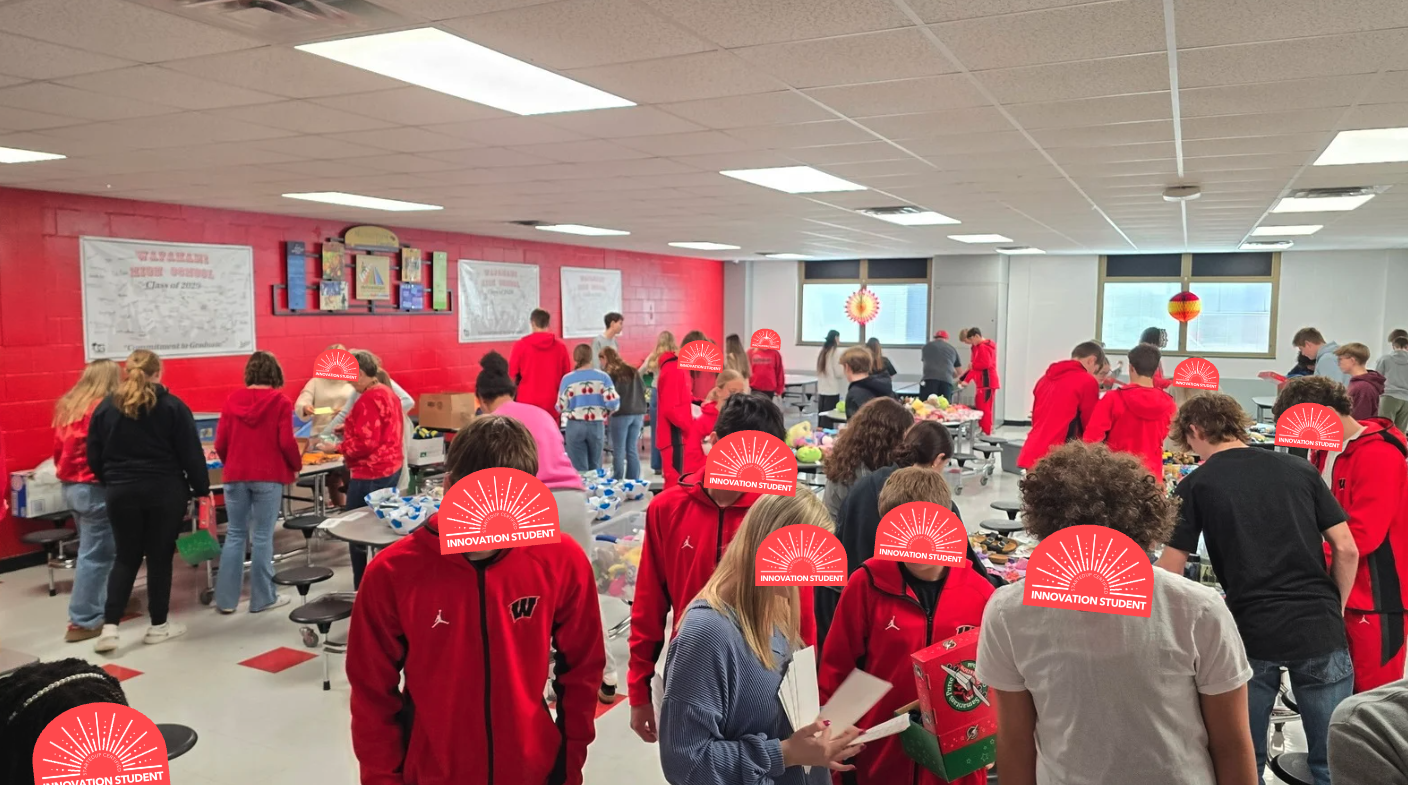
The hallway turned into a packing line, and 125 kids around the world got a little more joy because of it. Last week at Wapahani, the kind of project that usually lives as a “nice idea” became a full-on school moment. Under Kristy Thompson’s lead, students packed 125 gift-filled shoeboxes for Operation Christmas Child, joining an international effort through Samaritan’s Purse to send practical supplies and small joys to children in need worldwide.
What made it work at scale was who owned it. Roughly 120–140 students jumped in, with Kristy’s FCA (Fellowship of Christian Athletes) student leaders running the show.
They collected donations, sett up packing stations, and guided their peers through the process. Participation was open to anyone in the building, turning a club-sponsored idea into a real school-wide service day.
The boxes were built with both care and fun in mind. Students chose a child’s age group and gender for each box, then filled them with school supplies, hygiene items, and kid-approved surprises like soccer balls, dolls, toy cars, jump ropes, stuffed animals, and more. Every student also wrote a personal note to the child receiving their box, giving each one a voice behind it.
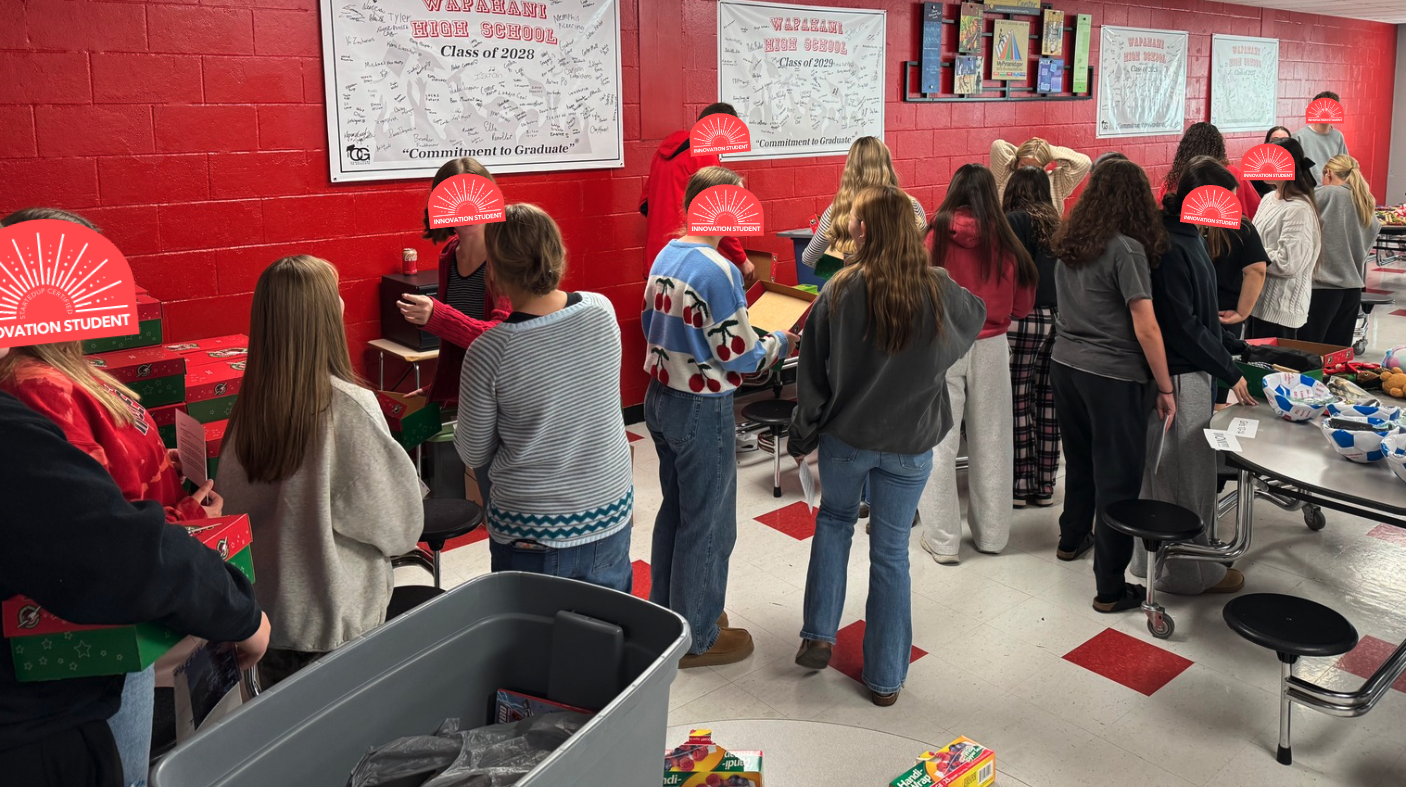
The most powerful part is seeing the whole thing take shape in real time. “For me, the most meaningful part of the project is watching it all come together while the students are packing the boxes,” Kristy shared. “So much time, effort, and planning goes into this project, and seeing it come to fruition is incredibly satisfying.”
Students felt that meaning too, especially as they imagined the child on the other end of each box. One student, Madison T., summed it up simply: “I love the fact that what I’m doing has a true impact on communities around the world. The fact that I can bring joy to people and show them that they are loved by God really just pulls it all together making it an amazing experience.”
This isn’t a one-and-done moment either. Kristy plans to keep the shoebox project going annually, with the long-term goal of packing even more boxes each year, because when students see the impact of generosity up close, they want to do it again.
Team work makes the dream work
Jodi Ramirez: Decatur Central High School
Before students can solve anything, they have to learn to see what isn't working. Jodi Ramirez's seniors are in that moment right now. Her class of 40 seniors just finished generating a massive list of problems they see in their school and education system, and the room stayed locked in the entire time. Why? Because every issue on that list hits close to home. Now comes the harder part, choosing one problem that matters most and figuring out how to fix it for the students coming behind them.
Jodi doesn’t run this work solo. She co-teaches with fellow Accelerator teacher Kristi Mann, and that daily partnership is shaping everything from lesson flow to student confidence. “Kristi and I actually co-teach the class together and it's fantastic! She is an excellent thought partner who is great to bounce ideas off of,” Jodi shared. “And sometimes when I get discouraged or stuck and don't know how to address an issue, Kristi will come up with an amazing creative solution.”
That kind of teacher collaboration creates a different classroom climate. Students are watching two educators model the very thing they’re being asked to do: trade ideas, challenge thinking, and keep building even when the path isn’t obvious. In Jodi’s words, not everyone gets to work every day with someone who makes the work better, but at Decatur Central, that teamwork is turning the Accelerator process into something students can feel, and follow.
Walking the walk with students
Jeff Edge: Purdue Polytechnic HS Lab at Englewood
Photos courtesy of Jeff Edge
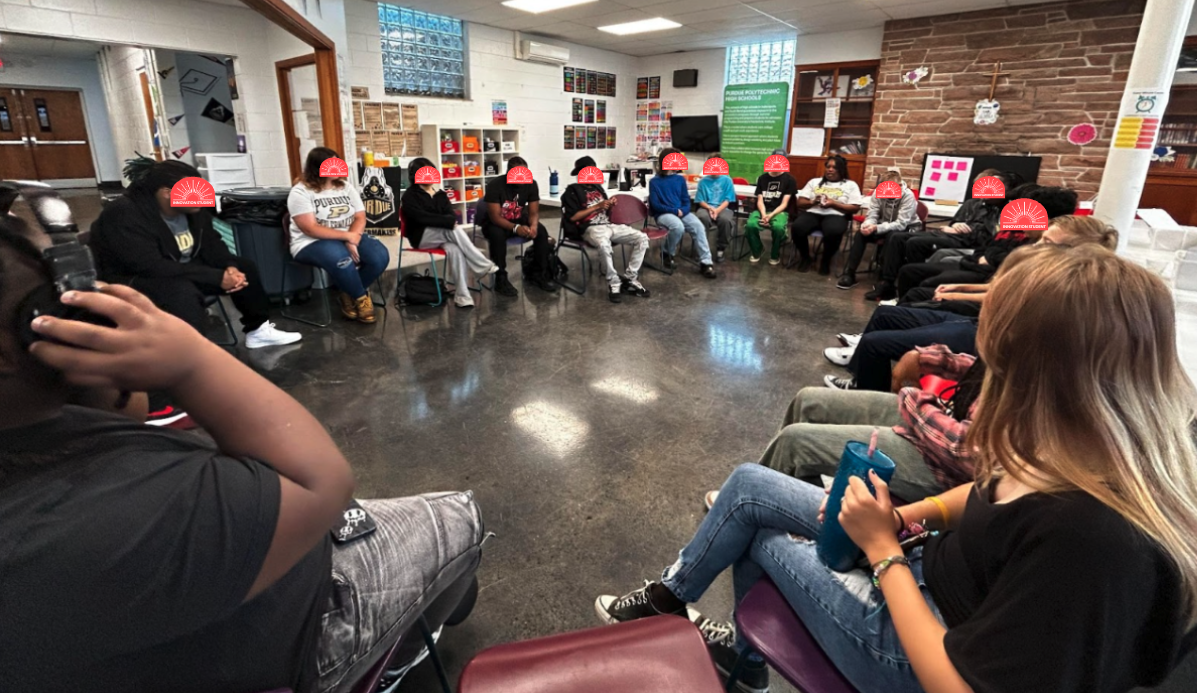
Every Thursday morning, Jeff Edge sits beside his students at PPHS's lab at Englewood, working on his own business idea, a co-op sandwich shop, while they develop theirs. It's an unconventional approach, but for Edge, it's essential.
"I want them to see that I'm in this with them," Jeff says. "I'm experimenting, making mistakes, and learning right alongside them."
This year, entrepreneurship in Jeff's classroom feels different. Through STARTedUP, he connected with Coach Margaret Broderick, who started as a one-time volunteer and now comes in weekly to mentor students through their business pitches. Students have also learned from financial literacy expert David Greene, STARTedUP founder Don Wettrick, and a roster of community professionals through their student-run podcast.
"We have more resources," says 10th grader Annie T.. "There's a lot more to entrepreneurship this year than last year. It's more complicated than I thought with a lot more steps."
The complexity is paying off. Students are developing real solutions: 11th grader Nat N.T. is building a mental health app, while classmate Gabe F. is working on making solar energy more accessible. Annie is developing a fashion consulting business and learned to interview guests with Ava Wettrick, a skill she's now applying to her own business development.
"I have more guidance," Nat explains. "I'm not relying on a course or reading. I have several mentors that are guiding me through the process."
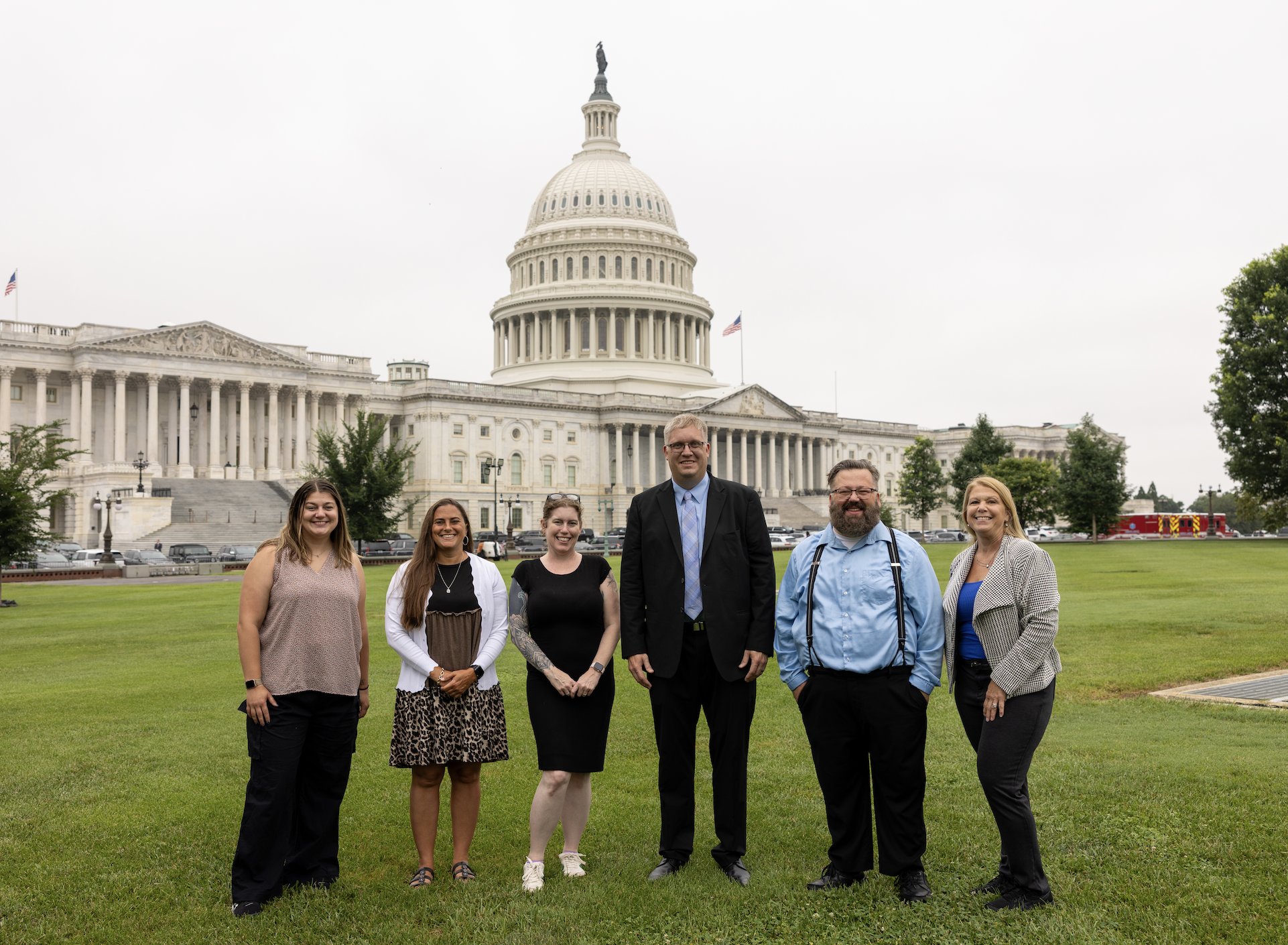
Jeff credits his time in the accelerator, particularly attending the state finals in Washington, D.C., with showing him what entrepreneurship education could look like. But the real shift came from his willingness to model the entrepreneurial journey himself. He co-owns a professional wrestling company and openly discusses failure with his students.
"When you're an entrepreneur, you can't get fired," he tells them. "Failure is practically part of the team. It pushes us, teaches us, and ultimately makes us better."
His students are taking that lesson to heart.
"I want students to leave curious about the world, able to recognize problems, and confident in taking a proactive approach to solving them," Jeff says.
Based on what's happening in his classroom, that vision is already taking shape. The school will host its pitch competition on December 16th, where students will showcase the businesses they've been developing all semester.